
Establishing leak-free ductwork to maximize home energy performance is key to achieving peak HVAC efficiency and ensuring optimal HVAC performance. Hidden breaches in duct connections allow conditioned air to escape that inflates household energy spending compromising healthy indoor air conditions. This guide surveys several effective duct sealing methods to enable well-informed selections that enhance home comfort and energy savings.
- Discover typical leak points in duct systems and the consequences for houses.
- Consider product alternatives—mastic, spray foam, and metal tape—for airtight ductwork.
- Learn about professional duct sealing services and their advantages.
- Learn simple do-it-yourself solutions to reduce duct leakage costs.
Ultimately, a sealed duct system provides extended payoff that improve energy performance over time. Deploying these solutions yields a comfortable and energy-efficient living space while reducing your environmental footprint.
Spray-applied polyurethane foam

In duct sealing applications, PU foam provides exceptional results since the foam rapidly grows to seal tiny cracks and seams. After application, the foam remains stable to block energy losses. The material's malleability facilitates work in complex duct layouts.
- Pros include exceptional insulation and lasting seals.
- Highly effective air-seal creation
- Energy savings
- Lower airborne contaminant levels
- Convenient on-site use
Honestly, polyurethane foam commonly delivers superior sealing results.
HVAC-grade silicone sealant
Selecting proven sealants preserves system performance and silicone mastic maintains flexibility while resisting wear. It bonds to duct surfaces to stop airflow and moisture penetration contributing to improved system operation.
- Also silicone mastic maintains integrity during thermal changes.
- It maintains a reliable seal despite temperature changes.
- Beyond that it is user-friendly for professional and amateur installers.
Black silicone sealant invisible airtight protection
When you need strong but unseen sealing black silicone is ideal to fend off dampness, airflow leaks, and temperature changes. For applications from windows and doors to plumbing and appliances it leaves a stealthy, lasting seal after application.
- It proves convenient for diverse household sealing projects.
Achieving maximum energy efficiency with duct sealants
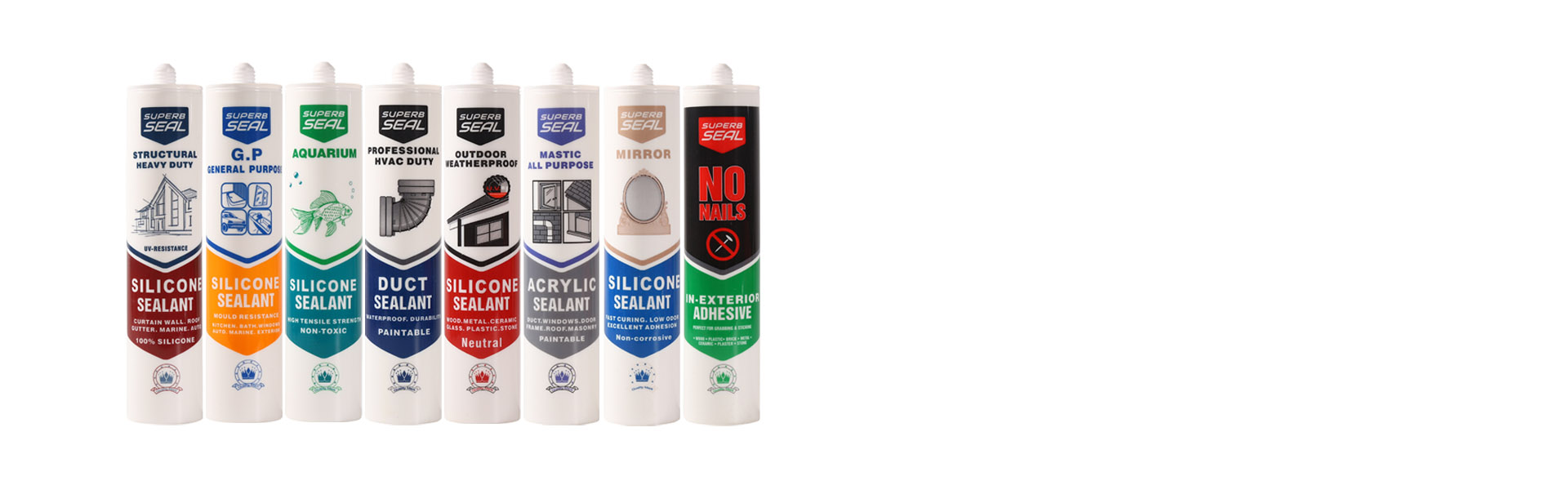
Applying proper sealants offers substantial energy-improvement potential since they isolate the duct interior from outside air infiltration. Controlling leaks reduces costs and benefits the planet.
When ducts are sealed they better protect interior air from external contaminants. Treating duct sealing as key to efficiency usually returns measurable results. Be sure to follow label instructions regarding surface prep and cure times.
Evaluating polyurethane and silicone duct sealants
Selecting the right sealant is essential for controlling airflow and durability. PU formulations are celebrated for their durable sealing capacity showing excellent stickiness to typical HVAC materials. Silicone sealants instead are lauded for flexibility and moisture resistance so they are ideal for joints that shift or expand with temperature.
Determining the correct duct sealant for specific requirements
For long-term duct integrity opt for a reliable sealing solution able to create tight seals around splices and penetrations. Assess what the ducts are made of, where leaks are, and budget realities.
Among the choices are silicone, butyl rubber, and acrylic-based sealants suitable for a range of conditions with good moisture and thermal durability. Polyurethane spray foams close off wide spaces and complex geometries. Tape products give fast patching capability but may not last as long as mastics.
Make sure to observe the producer's usage and handling recommendations.
The combined benefits of insulating and sealing ductwork
Sealing plus insulating ducts leads to lower heat transfer and energy use bringing appreciable reductions in household energy costs. They work jointly to limit drafts and block exterior contaminants from entering.
- Think about hiring an expert assessment to locate hidden leaks.
- Select materials designed for your climate and the duct system.
- Confirm that all register and duct interfaces are sealed correctly.
Allocating funds for both measures results in a more efficient, pleasant home and lowering energy bills and ecological footprint.
DIY approaches to improve duct airtightness
Sealing ductwork carefully as a DIY project helps increase HVAC performance First perform a complete inspection to locate visible gaps and detached seams. Gather supplies like foam sealant, metal tape, and a sharp blade. Wipe joints and seams with a moist cloth to remove dust for better bonding. For gaps choose flexible sealants and work them carefully into openings. Widespread issues could need duct repair tape combined with patching. Comply with application instructions and equip yourself with mask and gloves. Once cured, inspect the work to confirm a secure, lasting bond. Effective sealing generally enhances efficiency and decreases operational costs.
Locating duct leakage and correcting it with sealants

When performance drops, duct breaches often account for issues. These leaks lead to lost energy and lower airflow yet are commonly fixable with sealants. Household sealant products offer diverse adhesion and elasticity features. Thoroughly check ducts for openings and unfastened joints before application.
- Professional sealing services can improve HVAC output and reduce energy bills Hiring professionals for sealing helps optimize system function and lower costs Putting money into professional duct sealing enhances performance and savings
- When you've found leak spots, clean them thoroughly with a damp cloth prior to sealing.
- Spread sealant smoothly across fault zones ensuring all openings are completely filled.
Once set, run the system and inspect for remaining leakage by feel or smoke test. If sealing doesn't fully fix it, add more product or call a professional.
Professional duct sealing specialists for reliable results
Proper duct sealing is indispensable for HVAC longevity. Over time ducts may develop leaks and gaps that reduce airflow and increase energy costs. A professional technician can inspect carefully and seal all problems to improve airflow and comfort. Periodic professional sealing curtails pollutants and promotes healthier indoor air. Putting money into professional duct sealing enhances performance and savings.
